
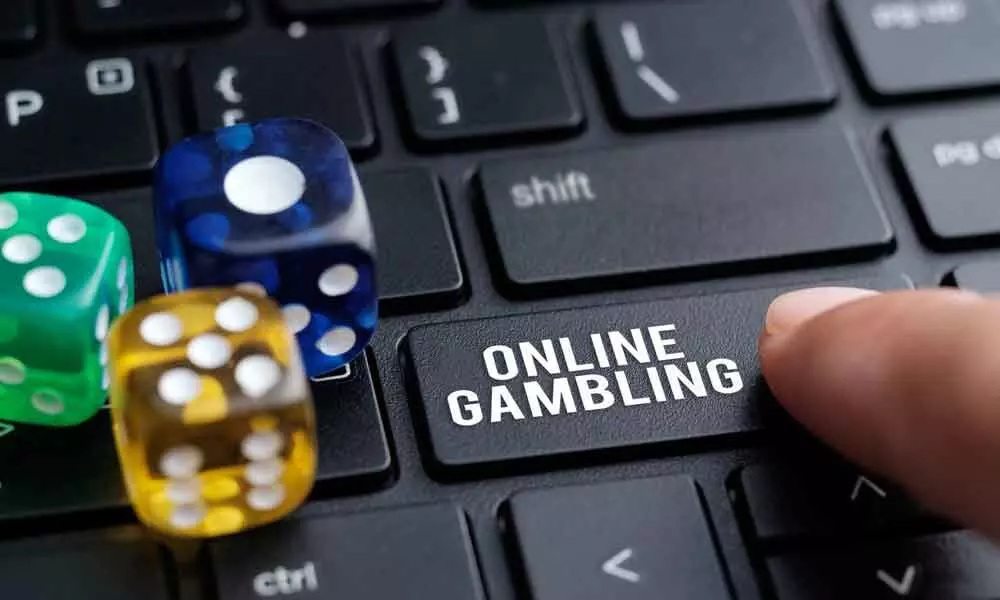

Gaming and gambling, two vastly different concepts, right? One is about entertainment, storytelling, and skill; the other is about risk, luck, and potential reward. But in today’s digital era, the line between the two is starting to get a little… fuzzy. Grab your controller (or dice), and let’s talk about the ways gaming and gambling are starting to meld into a strange new hybrid, and what it means for you.
What’s the Difference, Anyway?
At its core, gaming is about engaging in an interactive activity for fun or competition. Think of your favorite RPG where you grind for hours to level up your character, or your go-to shooter where you’re dodging headshots like an action movie hero.
On the other hand, gambling involves betting money on an uncertain outcome with the hope of winning more in return. It could be playing poker, spinning the roulette wheel, or putting it all on that weird horse with the dubious name (admit it, you’ve been there).
Traditionally, these two worlds were far apart. Gamers focused on skill and achievement, while gamblers sought thrill and risk. But the lines started blurring with the introduction of certain mechanics in video games, specifically, loot boxes and microtransactions.
The Rise of Loot Boxes – A Gamble Disguised as a Game?
Ah, loot boxes. Those shiny, tempting digital chests that promise rare skins, powerful weapons, or maybe just a sparkly dance emote that you absolutely don’t need but must have. The catch? You never really know what’s inside until you’ve already paid.
Does that sound a little like buying a lottery ticket? That’s because it kinda is. Loot boxes thrive on randomness, players spend real money without truly understanding what they’ll get in return. Sure, maybe you’ll strike gold and get that legendary item… but more often than not, you’re stuck with a generic, common upgrade that nobody cares about.

Microtransactions and the Psychology of Spending
Beyond loot boxes, microtransactions are another area where gaming starts leaning into the realm of gambling. Whether it’s buying currency for your game, unlocking exclusive characters, or snagging some fancy in-game gear, these small purchases add up fast.
Game developers have mastered the art of creating reward loops that make spending money feel good. Throw in some flashy animations, a satisfying “cha-ching” sound, and a limited-time deal, and suddenly you’ve poured cash into a “free-to-play” game.
Pro tip? It’s called “free-to-play,” not “free-to-win.” The house always wins, uh, I mean, your favorite game studio always profits.
Why Is It Such a Big Deal?
At first glance, it’s easy to shrug off loot boxes or microtransactions as just part of modern gaming. After all, who cares if someone else spends money on a shiny sword? But here’s the catch, it’s not just about one person dropping some spare cash. It’s about the psychology and ethics behind these systems.
Games often target younger audiences who may not fully grasp the value of money, or even understand they’re engaging in behavior eerily similar to gambling. Couple this with addictive mechanics and peer pressure, and suddenly, you’ve got players spending far more than they intended (and probably more than they even can).
Regulatory Concerns – Who Decides What’s Okay?
Governments and regulatory bodies around the world are starting to pay attention. Some countries, like Belgium and the Netherlands, have already taken a stand by banning loot boxes and classifying them as gambling. Other places? They’re still trying to figure out how to approach the wild west of in-game spending.
Developers, of course, insist that these mechanics are optional and purely cosmetic, but let’s be honest, FOMO (fear of missing out) can be a powerful motivator. And when you hear your friends brag about unlocking that one item, it’s hard not to fall into the same trap.
How to Tell If You’re Gaming or Gambling?
Here’s a quick reality check. The next time you’re deep into a game and see an offer for something “exclusive” or “limited-edition,” try asking yourself these questions:
- Do I know exactly what I’m paying for?
- Is this purchase based on skill, or is it entirely luck?
- Am I spending money for fun- or to chase a high?
If you’re leaning toward luck and chasing feelings, congrats! You’re probably toeing the line of gambling, even in a video game.
Keep the Fun, Leave the FOMO
Look, gaming is supposed to be fun. It’s not about who has the fanciest skin or the rarest weapon, it’s about immersing yourself in new worlds, enjoying the art and craftsmanship, and maybe even hanging out with friends online. You don’t need to drop hundreds of bucks to enjoy what you love.
If you feel yourself getting caught up in the spending spiral, take a step back. Set a budget, ignore the flashy promotions, and remember why you started playing in the first place. And hey, if all else fails, pizza is a far more satisfying investment. Trust me, it never disappoints.
Conclusion
Gaming and gambling are weaving closer together, but it’s up to players, and developers, to draw the line. By staying informed and keeping a pulse on your spending habits, you can enjoy gaming without falling into the trap of financial regret.
Leave a Comment