


Small bets often seem harmless, don’t they? You think, “What’s the harm in just a few bucks?” But before you know it, those seemingly innocent wagers can snowball into a bigger deal than you anticipated. Sound familiar? Don’t worry, you’re not alone. The phenomenon is more common than you think, and understanding why it happens is the first step to staying in control.
Get comfy, and let’s dig into how small bets can lead to big gambles and what we can do to stop it!
The Psychology of “Just One More Bet”
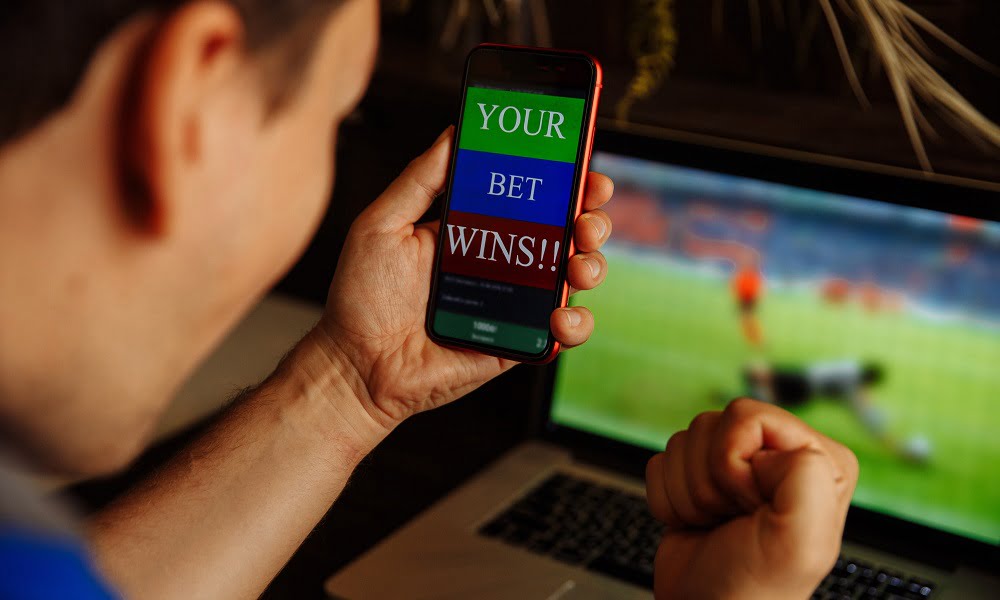
Ever heard the phrase “death by a thousand cuts”? While we’re not being that dramatic here, the idea applies to betting. It’s all about how small, repeated actions can build up over time. A single small bet doesn’t feel risky, and in fact, it gives you a little dopamine rush. Dopamine is that “feel-good” brain chemical that rewards you whenever something exciting happens.
The danger lies in how our brains handle these small wins and losses. A small win? You’re pumped for more! A small loss? You think, “Eh, I’ll win it back with the next one.” It’s a slippery slope because those small bets feel like they’re no big deal, until they add up.
Why Small Bets Often Don’t Stay Small
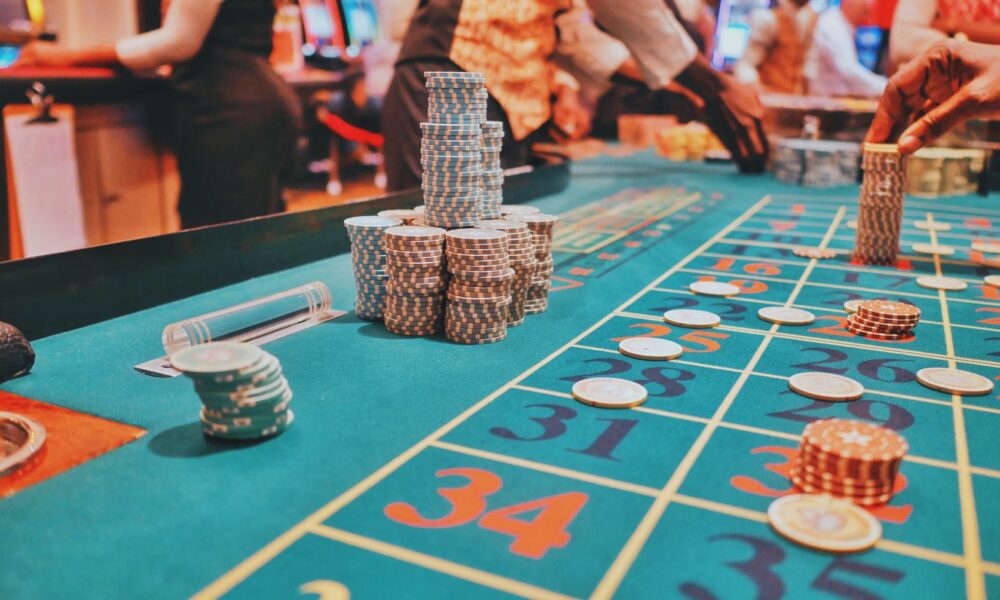
One reason small bets escalate into big gambles is loss chasing. You lose that initial small bet and suddenly feel an implicit challenge to claw it back. “It’s just $5,” you tell yourself, but then you keep adding more to cover what you’ve lost. It doesn’t help that casinos and betting platforms are designed to make that process smooth, with flashy graphics, easy-to-click buttons, and promises of doubling down.
There’s also a concept called the sunk cost fallacy. Once you’ve invested money in something, you’re more likely to keep going because giving up makes you feel like it was all for nothing. It’s how a fun bet can creep up from managing pocket change to dipping into your “real money.”

The Illusion of Control
Another contributor to small bets turning big is the illusion of control. You might think you’ve got a strategy, or maybe a favorite number or player, and that gives you confidence (sometimes misplaced) in the outcome. This illusion feeds into overconfidence, and before you know it, you’re raising the stakes because you just know the next bet will work out.
Small Bets, Big Consequences
The problem isn’t the small bets themselves; it’s the overall effect they can have if they spiral out of control. For example:
- Financial Risk: A series of small bets can chip away at your budget before you even realize it. At first, it’s coffee money, but repeated losses make a dent in your bank balance.
- Time Drain: Have you looked at the clock after a betting session? Time flies when you’re caught up in the excitement, meaning small bets can steal hours of your day.
- Stress and Burnout: Emotionally, chasing those losses (even small ones) can lead to stress and take the fun out of betting entirely.
How to Keep Small Bets From Spiraling
Don’t get me wrong, small bets aren’t the enemy! They’re a fun and low-risk way to enjoy betting, but only if you’re mindful.
Here are some easy tips to make sure your small bets stay small and fun:
1. Set a Budget and Stick to It
Decide ahead of time exactly how much you’re okay losing. Treat it like buying a concert ticket or dinner out. Once the money’s gone, the entertainment is over, and that’s okay!
2. Use the “Pause and Reflect” Rule
Take a moment between bets to check in with yourself. Are you chasing losses? Are you feeling overconfident? Pausing can help you reset and avoid impulsive decisions.
3. Timebox Your Betting
Set a time limit for how long you’ll bet. Use a timer on your phone if necessary! Once your time is up, walk away, win or lose. Time limits help prevent small bets from eating up your day.
4. Celebrate the Wins (But Don’t Push Your Luck)
When you win, enjoy it, and stop! It’s tempting to immediately toss those winnings into the next wager, but savoring the victory without pushing further can keep things light-hearted and fun.
Conclusion
Small bets can absolutely be fun, but it’s important to keep them in check. They have the potential to grow into big losses if you’re not mindful of how your brain, and betting environments, are wired to keep you engaged. The key is to enjoy the game, play responsibly, and know when to walk away.
Betting should feel like an entertaining experience, not a spiral of stress. Stick to your limits, keep it light, and don’t forget that the best strategy of all is simply to enjoy the ride!
Leave a Comment