
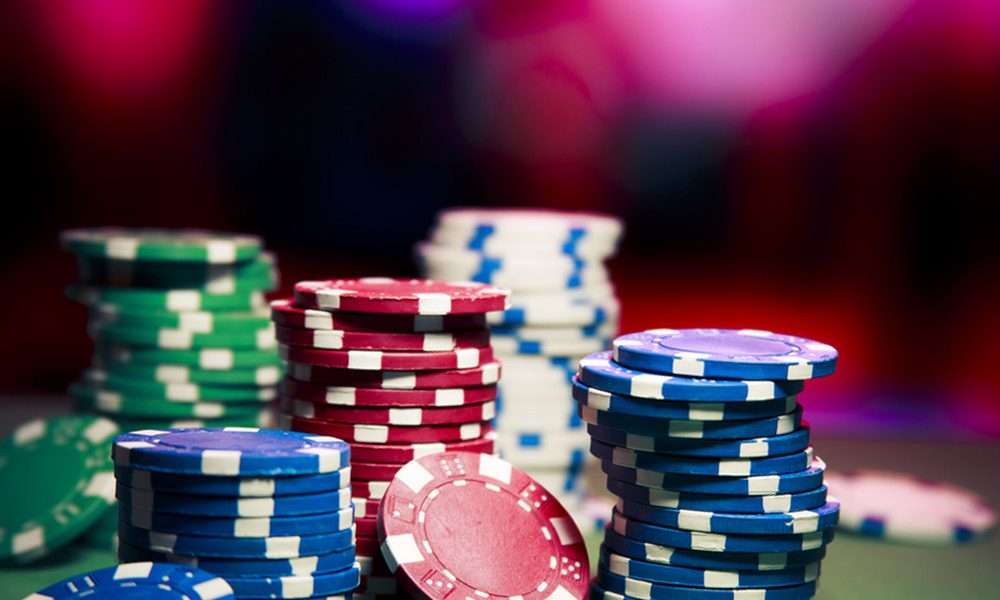

When you enter the world of chance-based games, one question looms large, how much of the outcome depends on skill, and how much is sheer luck? From rolling dice to spinning roulette wheels, the interplay between strategy and randomness is what makes these games so tantalising.
But here’s the real kicker, understanding the truth behind skill and luck can take your gaming experience to the next level.
What Are Chance-Based Games Anyway?
Before we break it down, let’s make sure we’re on the same page. Chance-based games are those where random events largely determine the outcome. Think of slot machines, lottery draws, or even classic board games like Monopoly. While some games allow room for clever tactics, others rely purely on the roll of a dice or the shuffle of a card.
The Role of Luck – Can It Be Controlled?
Luck is the wildcard in these games. For example, when you flip a coin or draw a card from a shuffled deck, there’s no way to predict or influence the outcome. This randomness is what gives chance-based games their allure, every play is a clean slate.
But here’s the thing to remember, luck is by its very nature inconsistent. You can’t rely on it. Sure, you might hit the jackpot once, but expecting the universe to favor you consistently is like trying to train a cat to fetch. It might happen, but don’t bank on it.
Skill in Randomness – Is It a Thing?
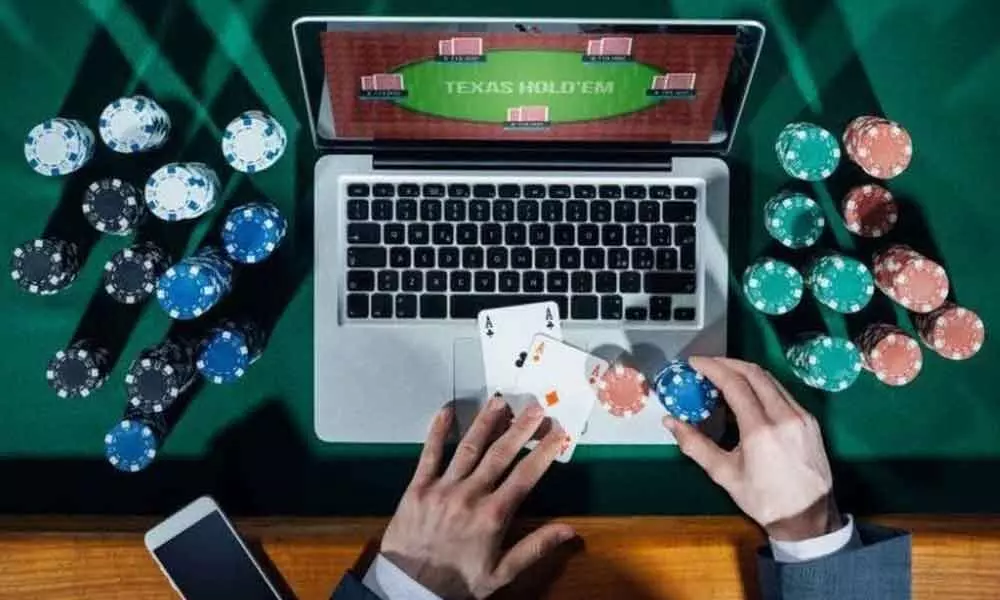
Here’s where the plot thickens. While some chance-based games seem totally random, certain aspects can be influenced by skill or strategy. Take poker, for instance. Sure, the cards you’re dealt are random, but your ability to bluff, analyze opponents, and manage bets introduces a hefty dose of skill into the mix.
Even games like blackjack offer opportunities to nudge the odds in your favor. Ever heard of card counting? It’s frowned upon in casinos, but it’s a perfect example of how skill can make a difference, even in a seemingly luck-dominated game.
The Luck-Skill Spectrum
Not all chance-based games are created equal. They sit on a spectrum, from pure luck to mostly skill. Here’s how that looks at a glance:
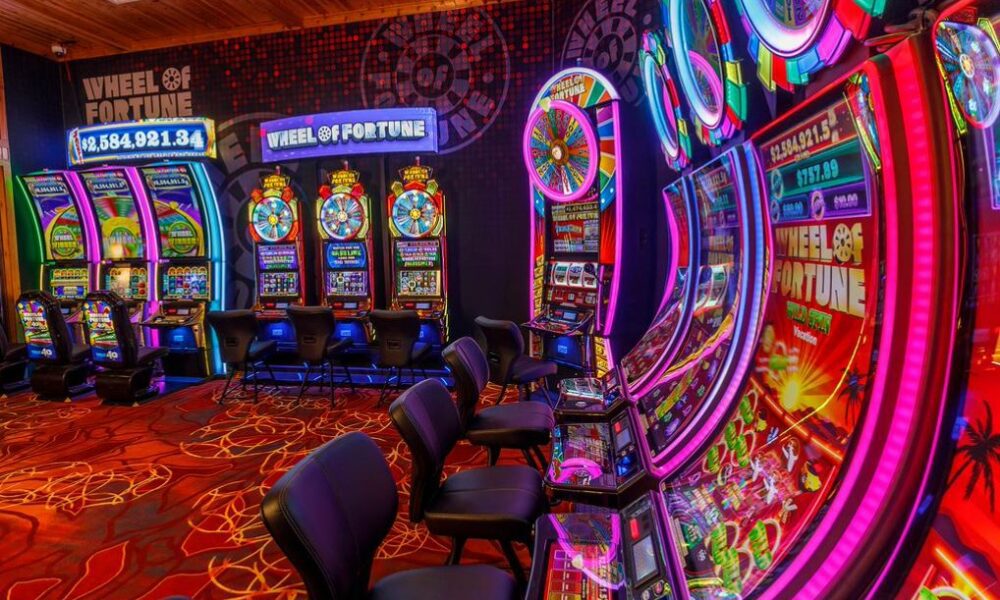
- Pure Luck: Games like lotteries or slot machines are entirely out of your control. You spin, press, or choose a number and hope for the best.
- Luck with a Dash of Skill: Bingo, keno, and even games like Yahtzee involve luck, but timing, pattern recognition, or decision-making can slightly influence outcomes.
- Skill with Elements of Luck: Poker, blackjack, or even fantasy sports rely heavily on player strategy, with luck still playing a minor role.

Why We Keep Coming Back?
What’s fascinating is that the balance of skill and luck is precisely what makes these games irresistible. A completely skill-based game might feel too demanding, while pure luck can leave you feeling powerless. Combining the two keeps us engaged, mixing moments of thrill with a sense of mastery.
It’s also why these games attract such a wide range of players. Anyone can sit down at a slot machine and experience the same rush as a seasoned poker player winning a complicated hand.
Tips for Navigating Chance-Based Games
Want to make the most of your chance-based gaming sessions? Here are some tips to keep things fun and stress-free:
- Set Realistic Expectations: Luck doesn’t last forever, so go in with a mindset of enjoyment, not profit.
- Know the Rules: Take time to fully understand the game. Even in randomness, being informed can make a difference.
- Budget Wisely: Set limits for yourself and stick to them. Walk away when you need to.
- Focus on Fun: Remember, the primary goal of gaming is to enjoy yourself, even if the odds aren’t always in your favor.
Conclusion
Chance-based games are a blend of chaos and strategy, which is precisely why they’re so captivating. Whether you’re spinning a roulette wheel or perfecting your poker face, knowing when luck takes over, or when skill can shine through, adds a new layer of enjoyment to the experience.
Leave a Comment