

Ever downloaded a free game, thinking it would be a fun, budget-friendly way to kill time? And then, weeks later, you find yourself staring at your bank statement, wondering how those “$2.99 bundles” added up to that much? Don’t worry, you’re not alone. Free-to-play games have mastered the art of reward loops, making their way into our hearts, minds, and, yes, wallets.
The Psychology Behind Reward Loops
First, we need to talk about why reward loops are so effective. Humans love rewards. It’s baked into our brains thanks to something called the “dopamine hit.” Here’s how it works: every time you achieve something in a game, a level-up, a shiny weapon, or a rare character, your brain rewards you with a shot of feel-good chemicals. It’s the same psychological mechanism behind why you crave that next piece of chocolate or can’t resist scrolling on social media.
Game developers know this, and they build their games around these little dopamine hits to keep you hooked. The problem? Those rewards often come with a catch.
The Free-to-Play Model: A Sneaky Genius
Free games may sound like a sweet deal, but there’s a reason so many massively popular titles operate on this model. The idea is simple, get you in the door for free and then slowly entice you with optional microtransactions. Need a boost to beat that level? There’s a $0.99 power-up for that. Want that exclusive skin everyone else seems to have? It’ll only cost you $4.99. And don’t forget the battle pass, perfect for “unlocking even more rewards!” before the season ends.
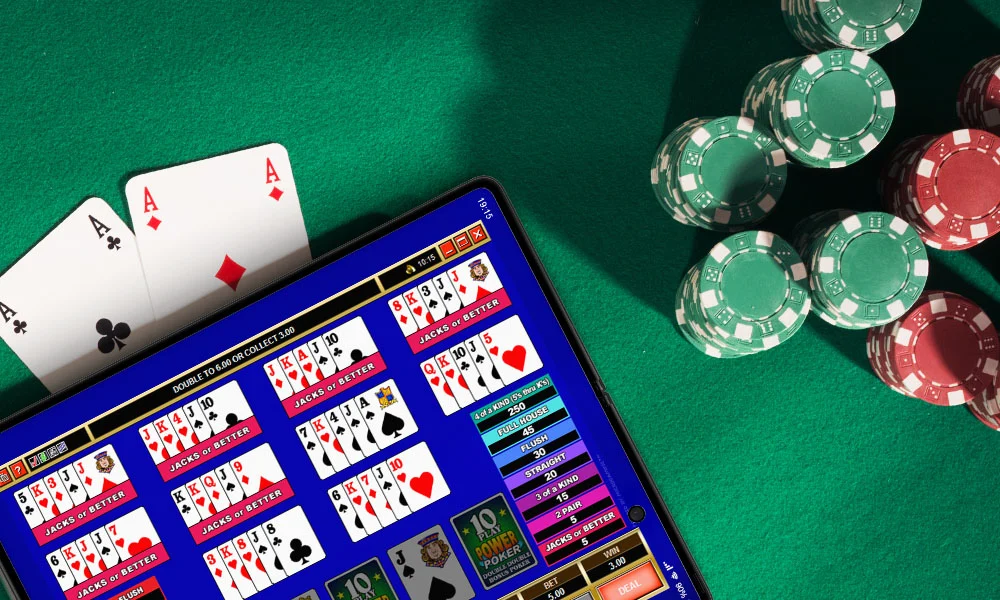
These games operate like casinos disguised as entertainment. The currency isn’t always real money at first, it starts as gems, coins, or tokens, which you earn just fast enough to stay interested. But sooner or later, the grind slows down, the shiny rewards feel just out of reach, and BAM, you’re reaching for your credit card.
Limited-Time Offers and FOMO
One of the smartest tricks free-to-play games use to part you from your cash is the age-old tactic of FOMO, or Fear of Missing Out. “Flash Sale! Get 100 gems at 50% off, only available for the next two hours!” These time-limited deals tap into our natural desire for exclusivity and urgency. After all, you might be able to pass on that rare golden sword today, but what if it never comes back? What if all your friends get it and you’re left brandishing something dull and ordinary?
It’s not just about acquisition, it’s about belonging, prestige, and showing off in epic multiplayer battles. Developers get this, and they use it to perfection.

The Infamous Gacha Mechanic
Ah, gacha. If you’ve never heard the term, you’ve definitely experienced it. Gacha systems work like virtual loot boxes, you spend in-game or real currency to “pull” for random prizes, whether it’s a powerful character, limited-edition gear, or rare items to enhance gameplay. The thrill of gacha lies in the randomness, which, in gaming lingo, is basically glorified gambling. It’s deceptively simple to throw a few dollars in the hopes of landing that five-star hero.
The kicker? Most of the time, you don’t get what you want. But that one lucky spin? That’s enough to keep you chasing the next jackpot, telling yourself, just one more, until you realize you’ve spent $50 on virtual loot.
How to Break the Cycle (or At Least Control It)
Now, I’m not saying you should swear off all free-to-play games. They’re genuinely fun and can offer hours of entertainment without spending a cent, if you’re careful. Here are a few tips to resist the wallet-draining vortex:
- Set a Spending Limit: Many games allow you to cap how much you can spend in a month. Use this feature if you know you might be tempted.
- Use Gift Cards: Allocate yourself a set gift card for gaming purchases. When it’s gone, it’s gone, no more dipping into your savings.
- Ask Yourself if It’s Necessary: Sure, that deluxe costume looks pretty cool, but does it actually affect gameplay? If not, maybe you’re better off sticking with your basic outfit.
- Take Breaks: Step away from the screen for a while. Sometimes the urge to spend fizzles out when you get some distance.
Conclusion
At the end of the day, free-to-play games are a marvel of modern entertainment, and marketing. They’ve turned a seemingly harmless download into a billion-dollar industry. But while it’s easy to treat these games as wallet drains, they don’t have to be. With a little self-awareness and restraint, you can enjoy the dopamine rushes of reward loops without falling into the spending trap.
Leave a Comment