
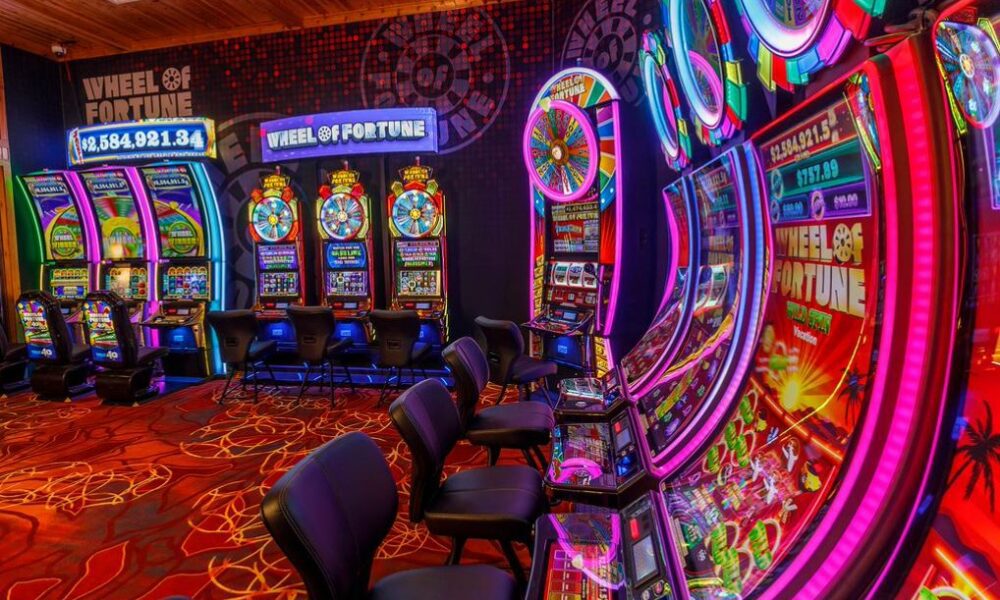

Have you noticed that regular games are beginning to resemble flashy slot machines more than traditional video games? No, it’s not just your imagination. Developers are borrowing tricks from casino playbooks, turning casual gaming into shiny, dopamine-packed experiences designed to keep you hooked. But don’t worry, this isn’t just another “doom and gloom” piece.
The Rise of Reward Loops
Games today don’t just reward you for completing levels; they reward you for logging in, clicking buttons, watching ads, and even failing! These reward systems are part of what’s called a “variable reward loop.” It’s when you get random perks or prizes for your actions, mimicking how slot machines hand out unpredictable wins.
The unpredictability of these rewards is key. It triggers a rush of dopamine in your brain every time you get a new skin, power-up, or digital currency. It’s like your brain goes, “Oooh, what’s next?” and keeps you coming back for more.
Flashy Effects and Celebrations
Ever notice how games have over-the-top graphics, sounds, and animations whenever you win something small? That burst of confetti, the dramatic music, or the cheerful pop-up that says, “Congratulations! You unlocked 5 coins!” – it’s all meant to feel bigger than it actually is.
Slot machines are masters of this technique, making even the smallest wins feel monumental. And mobile games? They’re taking a page from the same playbook. Developers make every achievement feel like an epic victory, no matter how trivial, so you’re compelled to chase that feeling again.

Slow and Steady Progress Bars
Another psychological trick games use is slow progress bars. Ever seen one of those meters slowly fill up as you inch closer to unlocking a prize? Progress bars tap into our natural desire for accomplishment, and they’re designed to stretch out the process as long as possible.
This feature keeps you engaged for longer periods, subtly encouraging you to play “just one more round” or maybe even pay real money to speed things up. Don’t feel bad, it happens to the best of us.
Microtransactions and “The Near-Miss Effect”
Here’s where things really start to feel a little…casino-like. Many games today rely on microtransactions, and they often use a sneaky psychological trick called the “near-miss effect.” Imagine spinning a wheel for a rare prize, if it lands right next to the jackpot, doesn’t that feel painfully close? That’s the near-miss effect in action.
Slot machines use this tactic all the time to lure you into thinking, “If I just try one more time, I’ll win!” Mobile games have adopted this too, especially in loot boxes or spin-to-win events. It keeps you coming back, or worse, spending money, just to chase what feels like a sure thing.
FOMO (Fear of Missing Out)
Limited-time events, exclusive skins, or rewards that disappear after a set period are another way games keep you glued to the screen. FOMO is a powerful motivator. If you feel like you’re going to miss out on something unique, you’re more likely to invest extra time (or money) to get it.
And honestly, who hasn’t fallen for the “get this rare outfit before it’s gone!” notification? Games know your brain doesn’t want to deal with regret, and they use that to their advantage.
How to Keep Gaming Fun Without Falling for the Tricks
Okay, so now you know the secrets. But how do you keep enjoying your favorite games without falling into these sneaky traps? Here are a few tips to keep in mind:
- Set time limits. Decide how long you want to play and stick to it. Don’t get sucked into the infinite loop of “just one more level.”
- Budget your spending. If you like spending on games, set a clear budget. It’s okay to splurge occasionally, but don’t let microtransactions drain your wallet.
- Recognize the tricks. Understanding these tactics makes you smarter about how you engage with games. The next time you feel FOMO or the urge to speed up a progress bar, take a step back and ask if it’s really worth it.
Why It’s Not All Bad?
To be clear, games with slot machine-like features aren’t automatically evil. They can be super fun and rewarding when done right. There’s a reason why people love them so much! Plus, many games use these mechanics to keep things interesting without pressuring players to overspend.
The key is balance. When developers focus on making their games genuinely enjoyable (and not purely addictive), everybody wins.
Conclusion
Gaming has gone through some major changes in recent years, with traditional games adopting flashy casino elements to keep players engaged. While these tactics are undeniably effective, understanding them puts the power back in your hands. Play smart, keep the fun alive, and remember, you’re in control, not the game.
Now, go crush that next level (without losing your cool)!


Leave a Comment